Episode 76
Fear Is the Fuel With Don Diablo
In this episode of the Biohacker's Podcast, Teemu Arina speaks with Don Diablo on fear as fuel, discipline, fasting and building a creative legacy.
Check https://hololifesummit.com for upcoming events & tickets.
Devices, supplements, guides, books & quality online courses for supporting your health & performance: https://hololifecenter.com
Don Diablo, DJ, producer, artist and founder of HEXAGON
Don Diablo is a Dutch DJ, producer and multidisciplinary artist who released his first record at 13 and helped shape the Future House sound. He founded HEXAGON, the label, community and fashion brand built around his symbol, has designed apparel for Star Wars and Stranger Things, and has taken his work into fine art. In this conversation he shares how discipline, fasting and a relentless relationship with fear have carried him from a childhood heart and lung diagnosis to a three-decade career, and why he believes the future of creativity belongs to people who train new tools on their own story.
Website: https://www.dondiablo.com
Instagram: @dondiablo
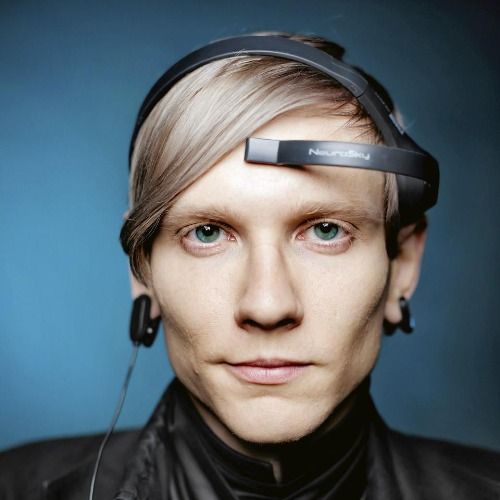
Cover photo of Don Diablo: Jessey Hexagon, CC BY-SA 4.0, via Wikimedia Commons.
- Fear can work as a signal of growth, because the decisions that feel most uncertain are often where the largest personal and creative progress happens.
- Consistent discipline and daily structure, more than talent alone, are presented as the foundation for sustained creative output.
- Reserving the first hours of the day for body-focused routines before checking messages may reduce reactive stress, although the best timing depends on individual chronotype.
- The extended water fasts and very short sleep described in the conversation are personal practices rather than evidence-based recommendations and carry real risks without medical supervision.
- During fasting the body shifts from glucose toward fat-derived ketones as its main fuel, an adaptation that evolved to help humans survive food scarcity.
- Avoiding alcohol and tobacco, and declining sponsorships that conflict with personal values, protects both health and credibility.
- Early adversity can become lasting motivation, but a drive to prove oneself is more sustainable when paired with self-acceptance.
- Creative success is better measured by the honesty and quality of the work than by trends, streaming numbers or social media validation.
- AI tools extend creativity most when they are trained on a person's own body of work and used deliberately, rather than used to replace original authorship.
- Lasting impact comes from who a person is and how they influence others, and growth requires repeatedly stepping into what feels frightening.
00:00 - Cold Open
00:43 - Welcome Don Diablo
01:33 - Avicii's Legacy and the Hexagon
03:05 - Nature, Hexagons and Technology
04:09 - Morning Routines Without Burnout
05:05 - Discipline, Little Sleep and Fasting
07:36 - One Meal a Day and Metabolism
10:28 - No Alcohol, No Cigarettes
11:10 - Childhood and a Second Chance
12:44 - The Wounded Healer
13:21 - Losing His Father, Finding His Sound
16:04 - Saying No to Big Sponsors
16:57 - A Message to the Next Generation
18:47 - What Real Success Means
20:19 - Everything Is a Remix
21:58 - AI, Copying and Artistry
25:27 - Artistry in Everything You Do
27:32 - AI as Collective Consciousness
30:22 - Creating With Your Own Data
34:23 - Legacy and Dying Twice
36:15 - Fear Is the Fuel
37:03 - From Fashion to Fine Art
39:35 - Closing Words
Transcript
But that fear, it should be the motor for everything you achieve, because if
Don Diablo:you're not fearing what you're doing, that means you're not growing.
Don Diablo:Every time I made that decision where I'm just utterly scared, like, this could
Don Diablo:go terribly wrong, those were the moments I grew.
Don Diablo:So I'm now at an age where in my brain I had a dream
Don Diablo:when I was a kid that this was the age I was going to
Don Diablo:pass away. So here I am. I'm biohacking away.
Teemu Arina:Welcome to the Biohacker's Podcast. My name is Teemu Arina, and today I have
Teemu Arina:Don Diablo. He's a very interesting guy.
Teemu Arina:When I met him, I visited his home, and it was inside a church.
Teemu Arina:It had a swimming pool on the bottom, and he was working in the
Teemu Arina:church tower on his music, and as an artist, what I find interesting is
Teemu Arina:that really there's good DJs, there's really good producers, there's really good clothing designers,
Teemu Arina:there's really good artists who make future happen, but Don Diablo is embodying all
Teemu Arina:of those. He's been able to achieve all of this.
Teemu Arina:So when we talk of high performance and how to actually do all of
Teemu Arina:that, I think there could be no better guy to speak to than Don
Teemu Arina:Diablo. Welcome.
Don Diablo:Thank you for having me. It's good to be here. Yeah.
Don Diablo:We're in Estonia.
Teemu Arina:We are in Estonia, indeed. So you're traveling a lot.
Teemu Arina:For me, you're like Avicii, but you're still alive.
Don Diablo:It's funny, like a lot of people actually, in the years after he passed,
Don Diablo:they actually combined the Avicii tattoo, his logo, a symbol.
Don Diablo:Because like me, he has a symbol and my symbol next to each other.
Don Diablo:So I got a lot of pictures of people, and they started hitting me
Don Diablo:up like, "You have to carry the legacy now." I'm like, "Oh, I cannot
Don Diablo:carry his legacy, but I'm trying to build my own." But I think a
Don Diablo:lot of people, somehow, they do affiliate
Teemu Arina:us. So your logo is the Hexagon.
Teemu Arina:What does it symbolize for you?
Don Diablo:So I think I never had, actually, now only this year, I created a
Don Diablo:Don Diablo logo for the first time in 30 years.
Don Diablo:So I never wanted, because I think an artist's logo is, it's more about
Don Diablo:ego, right? I don't want to see my name and a logo on a
Don Diablo:poster. I want to have a symbol.
Don Diablo:In this case, it's a Hexagon with the A in it.
Don Diablo:It started out, the A started out with a symbol for anarchy, because I
Don Diablo:don't believe in rules. I like to break the rules.
Don Diablo:And then the Hexagon stands for the symbol. There's six degrees of separation, right?
Don Diablo:We're all separated by six people, basically meaning I can reach out to anyone.
Don Diablo:We're all connected. We're all, like, living in one world.
Don Diablo:So I put those two together, the anarchy and the connectiveness, people just basically
Don Diablo:being able to reach out to anyone in the world.
Don Diablo:So it would go from linking up with the producers that I love to
Don Diablo:ending up doing a project with the Pope, for instance, you know.
Don Diablo:For The United Nations. So literally, anything is possible.
Don Diablo:Or even working with Star Wars or Stranger Things, I believe anything is possible.
Teemu Arina:You know what it kind of reminds me of in nature?
Teemu Arina:What kind of being might make those?
Teemu Arina:A bee.
Don Diablo:Yeah.
Teemu Arina:And you know it actually is a circle but it compresses into a hexagon
Don Diablo:Yeah.
Teemu Arina:And the basic principles that drive that process are the very basic principles of
Teemu Arina:what creates everything. So that's fractal geometry.
Don Diablo:Yeah.
Teemu Arina:So it really is pushing into different directions.
Teemu Arina:It's very technological.
Don Diablo:Yeah. So... Very futuristic.
Teemu Arina:Yeah, so it's, it's literally, it connects nature and technology, and this is what
Teemu Arina:I strive for.
Don Diablo:Yeah.
Teemu Arina:Ultimately, I believe we are extensions of nature.
Don Diablo:We are God's greatest machine.
Teemu Arina:Precisely, and now we have evolved silicon-based technology to to expand
Teemu Arina:even further, and today you went through your mitochondria and increasing, that's...
Don Diablo:Why I maybe look a little more tired than usual.
Don Diablo:Maybe go through all the machines sleeping and going into like, yeah, different states.
Teemu Arina:Yeah, definitely.
Don Diablo:Which is intense, and now you put me here.
Don Diablo:So if I go and get a little crazy today, then you know why.
Teemu Arina:Precisely, yeah. So these are the things that I'm using to be able to
Teemu Arina:cope. One thing many people do when they wake up, they immediately jump out
Teemu Arina:of bed, have A cup of coffee, go for meetings, like, go, go, go,
Teemu Arina:go. In the morning is the time when I'm doing all my morning routines.
Teemu Arina:I do the infrared sauna, I do the red light, I do, you know,
Teemu Arina:meditation. I might do some physical exercise.
Teemu Arina:Vibration therapy, light therapy, all of that, supplements, and then I take my phone
Teemu Arina:out of airplane mode, and then it's go.
Don Diablo:Yeah, well, I recognize that I used to just go like, the first thing
Don Diablo:I would do, just grab my phone next to my bed and go through
Don Diablo:all the messages, because a big part of what I do is across the
Don Diablo:world, right? So It would be messages from Asia, but from America, and then
Don Diablo:obviously I would just be like in a slight panic.
Don Diablo:That's how I used to start my day. Now I'm just like not watching
Don Diablo:the phone. First out, I always have a trainer comes by.
Don Diablo:I think the main thing is just having discipline. That's kind of like the
Don Diablo:main thread through my life, and that's how I get so much done.
Don Diablo:I, I actually also kind of like optimize my days to maybe having the
Don Diablo:need of at least three, four hours sleep, and then minimalizing that to two
Don Diablo:hours. So, because I travel a lot, right? So if you want fit to
Don Diablo:all these schedules, be in different continents, like three different continents in one week,
Don Diablo:there's a lot of nights where you're just not even going to sleep. You're
Don Diablo:going to skip days. There's going to be weeks where you sleep four nights
Don Diablo:in a row, like now, just maybe max two hours.
Don Diablo:And apparently there is a way to train the body to be able to
Don Diablo:withstand that and to be able to, to cope and live with that.
Don Diablo:And even without biohacking, I guess even many years ago I was already fasting,
Don Diablo:right? Started with intermittent, and now sometimes it's longer.
Don Diablo:I went one day, two days, three days, just drinking water, sometimes up to
Don Diablo:seven days. And there was even a point where I was doing a seven-day
Don Diablo:fast, and on day seven my trainer was like, kept adding weights you know,
Don Diablo:to the barbell. It's like, "You've never pushed this much." "It's Like what have
Don Diablo:you done? It's like, have you slept really well? It's like, have you, did
Don Diablo:you eat something special? It's like, you know what? I haven't slept for a
Don Diablo:long time. I actually didn't eat for seven days.
Don Diablo:I only drank water." It's like. You ate something like some soup or some
Don Diablo:vitamin water, like nothing and just water.
Don Diablo:I've never felt more clear. I've never felt more energized.
Don Diablo:I had to go through the wall, right, the wall of suffering, but it
Don Diablo:made me feel like I actually was doing something real.
Don Diablo:I think for me as an artist, the main thing to accept success is
Don Diablo:to, to sacrifice, right? Right, because Otherwise, I think success just flies through the
Don Diablo:window, and it just, it comes and it goes. It's almost like a diet,
Don Diablo:right? Like when you lose it easily, it comes back easily.
Teemu Arina:Yeah.
Don Diablo:So I think I've trained myself through discipline and through hardship, through a lot
Don Diablo:of struggle, to become the person I am today and to come to the
Don Diablo:place where I am today. So I think the morning routine actually is the
Don Diablo:last thing I just changed because I think what amazing you're doing, like, is
Don Diablo:I, I never thought of it like that. I actually don't plan any meetings
Don Diablo:before 12 anymore.
Teemu Arina:Yeah.
Don Diablo:So I know at least because I'm a night owl.
Teemu Arina:Yeah.
Don Diablo:I think I'm most creative during the night.
Teemu Arina:I'm also, I usually have like the time once the world settles down and
Teemu Arina:there's less messages. That's when I get most of my real work done, and
Teemu Arina:it's so important to savor that time.
Teemu Arina:And for some people, it's the morning. For us night owls, it's the night.
Don Diablo:That's why it's good to use the morning for routine, because there's not a
Don Diablo:lot of creativity, and it's better to then, you know, use it for the
Don Diablo:body.
Teemu Arina:You mentioned you eat one meal a day, so basically you fast.
Teemu Arina:That's an insane idea for most, like no breakfast, no lunch, nothing.
Teemu Arina:You're always going
Don Diablo:crazy, right? So, but my problem has been I have a very slow metabolism,
Don Diablo:so I, I mean, I get big, you know, that's just what it.
Don Diablo:Is my whole family is a little bigger. They're always like, "Don, you have
Don Diablo:it so easy, you know. You like slim, and you just, you know, it
Don Diablo:looks..." Make it look easy.
Teemu Arina:There was a time when you were not slim.
Don Diablo:I weighed about, I think my max, 216 pounds.
Don Diablo:It's 108 kilos. Was a big boy, you know.
Don Diablo:There's, I did this little video for my birthday this year, and it has
Don Diablo:one of them, the pictures in there from when I was starting my career
Don Diablo:in studios, and you could, I'm a big guy, you know.
Don Diablo:Like, I, I didn't eat that much, to be honest.
Don Diablo:I, like, honestly, just have a very slow metabolism.
Don Diablo:But especially when you're just sitting and you just, I used to, like, when
Don Diablo:I used to study, I used to eat a lot of chewing gum.
Don Diablo:That's how it started, because it activated my brain, and this became food, and
Don Diablo:I just started and eating. Then I ate less, but I didn't, still didn't
Don Diablo:lose any weight, so I had to take really extreme measures.
Don Diablo:So it definitely feels every day like I'm, you know, it's a sacrifice, like
Don Diablo:every day, because people are like, "Are you not hungry?" I'm like, "Of course
Don Diablo:I'm hungry, but it's the same as, like, working hard right?
Don Diablo:Like, if you want to look great, you have to work hard.
Don Diablo:If you want to be successful, you have to work hard.
Don Diablo:It's all sort of inherent to, to, if the system, you want to be
Don Diablo:awarded, you have to struggle, you have to strive.
Teemu Arina:Yeah. You know what I think you are? You blame slow metabolism, but I
Teemu Arina:think you are actually designed by biology to tap into your fat storages, your
Teemu Arina:ketones specifically as a fuel source, so our ancestors, when they had famine or
Teemu Arina:they didn't have food. We have to, of course, have some way to survive,
Teemu Arina:and what's happening when you fast, your body switches from glucose to ketones, and
Teemu Arina:ketones are then released from the fat storage, and you have tens of thousands
Teemu Arina:of calories in your body, like all the time.
Teemu Arina:And if glucose is available, body will, you know, prioritize that.
Don Diablo:Yeah.
Teemu Arina:And if there's any extra energy, it's going to store it in the fat,
Teemu Arina:so...
Don Diablo:That's how I feel, because it's like that, you go through a certain point
Don Diablo:because if you do sort of like, I don't need six hours a day,
Don Diablo:or like, okay, well, that's not really fasting, right?
Don Diablo:That's sleeping. But you're right that when once you start feeling, like, hungry, you
Don Diablo:know, your body's working on other things than digestion, right?
Don Diablo:So that's how I feel. It, it starts to repair, it starts to, and
Don Diablo:it's hard because I'm traveling, so everywhere I go, whether it's an airport lounge
Don Diablo:or it's the, just, you know, like the food in the air.
Don Diablo:I... Actually like airplane food. I don't know why, call me crazy, but it's
Don Diablo:just the idea of eating and sitting and they're serving it to you, right?
Don Diablo:So saying no to that is hard, even going to airport lounges or everywhere
Don Diablo:you go, like you're in the backstage, there's snacks, there's...
Teemu Arina:Yeah, there's always snacks and all the rubbish everywhere, yeah.
Don Diablo:It's been like that for me, even with alcohol or anything like that.
Don Diablo:I've never, I never drank a drop of alcohol in my life, you know,
Don Diablo:because I, I felt like I guess I'm just either, well, very disciplined, but
Don Diablo:I'm also like, I... Guess in some ways an extremist, because I think either
Don Diablo:you do it or you don't, right? So, never smoked a cigarette, never drank
Don Diablo:alcohol in my life, and people were always like, "Why not?" I'm like, "Why
Don Diablo:yes?" You know, like, I don't see a big benefit for me.
Teemu Arina:Yeah.
Don Diablo:I get it. Like, until a few years ago, I was like, I never
Don Diablo:tried any drugs either, because I was like, it's not gonna benefit me.
Don Diablo:Until I was like, no, with drugs, actually, it can activate certain parts of
Don Diablo:my brain. It can also make me relax.
Don Diablo:It can do something for me rather than against me, so that was the
Don Diablo:one thing I got interested in.
Teemu Arina:Right. And do you have coffee?
Don Diablo:As a kid, I used to love coffee. There's three things I used to
Don Diablo:love: coffee with a lot of sugar in it. I don't like the black
Don Diablo:coffee. I like the DJ Black Coffee, but not the actual black coffee, chocolate,
Don Diablo:and pork, so Usually bacon in the morning.
Don Diablo:And I had a really bad skin. I was bigger, so there was a
Don Diablo:problem with my heart and my lungs. The doctor said he has a heart
Don Diablo:and lung failure, so he might live beyond his teens.
Don Diablo:We don't know. We have no idea. They couldn't precisely predict it, even when
Don Diablo:I was not born yet. My mom, I was sort of like, I came
Don Diablo:to this world spontaneously, let me put it that way, because my parents wanted
Don Diablo:two kids, and then all of a sudden my mother got some symptoms, and
Don Diablo:they were like, "What's going on?" They took all the scans.
Don Diablo:Turned out she was pregnant. Usually when you're pregnant, you're not allowed to take
Don Diablo:those scans, right, because they might damage the baby.
Don Diablo:Back then, nothing was that precise as It is today, so they were like,
Don Diablo:"Well, ma'am, you went through the scans. You didn't plan on this baby.
Don Diablo:What are we going to do? Are you going to keep it, or are
Don Diablo:we going to avoid it?" And she decided, you know, my parents decided to
Don Diablo:keep me despite of the fact that there was a high risk of me
Don Diablo:maybe even having Down syndrome. So here I am, you know. So I was
Don Diablo:like, I came to this world, like, wanting to prove that I deserve to
Don Diablo:be here. And also, like, then I had the lung and heart failure, so,
Don Diablo:like, okay, I want to be, I want to live beyond my teens.
Don Diablo:So I'm now at an age where in my brain I had A dream
Don Diablo:when I was a kid that this was the age I was going to
Don Diablo:pass away. So here I am. I'm biohacking away, but also I'm trying to
Don Diablo:leave a legacy, right? So thank God for the entry of AI and everything
Don Diablo:that's happening now. It allows me to become, you know, even more of me
Don Diablo:than I've ever
Teemu Arina:been. I'm glad you're here. Now, that's a really interesting story because what I
Teemu Arina:find out about high performance, they all have, like, some kind of wounding story.
Teemu Arina:It's the archetype of the wounded healer in a sense, like you got a
Teemu Arina:second chance to life. Like yourself.
Teemu Arina:Yeah, yeah. Like myself.
Don Diablo:Yeah.
Teemu Arina:Exactly. Like that's what made me a biohacker.
Teemu Arina:But if I really trace back to my childhood, think there is also similar
Teemu Arina:compensation going on as you have. Trying to prove yourself in many ways.
Teemu Arina:And you, the healing that you do is through music.
Teemu Arina:Can you speak about that, your art?
Don Diablo:Yeah, I think that's also the reason why I never created a Don Diablo
Don Diablo:logo. I never thought I would be creating a movement because I'm just a
Don Diablo:guy pressing buttons, you know? But the puzzle just kind of came together in
Don Diablo:my mind, just through, you know, just, I guess, downloading whatever was there.
Don Diablo:So what happened was struggling for many years. I think it took me 20
Don Diablo:years to actually even have, you know, a little bit of success.
Don Diablo:Then I was living in London, I just signed a new deal.
Don Diablo:My mom calls me. I'm sitting on this, you know, just empty boxes, so
Don Diablo:I just moved in, and then my mom called me like, "Hey, it's that,
Don Diablo:it's not good. Can you come home?" So I only had like a few
Don Diablo:more months with my father, and in those months we had conversations because I
Don Diablo:was born into a family where I felt like I need to be very
Don Diablo:alternative, very avant-garde, right?
Don Diablo:I was named after Captain Beefheart. A lot of people ask me, "Is Don
Don Diablo:your real name?" Yes, Don Is my real name. Don Van Vliet, he was
Don Diablo:an artist, you know, he was hanging out with Frank Zappa, he was making
Don Diablo:paintings, he was doing arts, he was doing music, very free-spirited but also very
Don Diablo:experimental, right? So it came to a point where I was like, "You know
Don Diablo:what, I, had that last conversation with my father, and it was like, it's
Don Diablo:okay to be successful. Successful doesn't mean you're a sellout.
Don Diablo:Being successful doesn't mean you're, you know, you're not artistic," because that was always
Don Diablo:in the back of my mind. You have to suffer. You have to have
Don Diablo:the feel the pain to transpose the pain and other people, and then maybe
Don Diablo:you can connect. And from that moment, I wrote this little song on this
Don Diablo:little, you know, little instrument I found in the hospital, in the hospital hallway,
Don Diablo:and I sampled that, wrote a letter to my father, and that turned into
Don Diablo:a song, became the, the anthem for Stand Up Against Cancer that year on
Don Diablo:TV. They had me talk about my Father, I literally, I couldn't keep my
Don Diablo:tears, so that became a moment on TV in my country and the first,
Don Diablo:you know, Top 40 record I had, which was completely different because I was
Don Diablo:a DJ at that time, and that record was like a singer-songwriter record, right?
Don Diablo:Just piano, blessed with the voice by JP Cooper, with whom I wrote the
Don Diablo:song. So from there on, it all took off.
Don Diablo:I think two months later, I made a trilogy of these three records and
Don Diablo:we created a new genre we called Future House.
Don Diablo:Because it wasn't like, you know, something that people had heard before.
Don Diablo:But on one hand, it also sort of grabbed back on the idea of
Don Diablo:nostalgia, like house music, you know, what It used to be.
Don Diablo:So it was a combination. I think that's kind of, with everything I do,
Don Diablo:whether it's art or music or fashion, it's always like neo-nostalgia.
Don Diablo:So it's something that feels futuristic, but it also is reminiscent of your past,
Don Diablo:of your youth, of something I've experienced in my past.
Don Diablo:So I think that's the red thread through everything that I do.
Don Diablo:It grabs back to emotion and to the past and to Youth, as well
Don Diablo:as reaching into the future. I think those two combine us.
Don Diablo:It's a powerful force.
Teemu Arina:Right. And one thing, when we met each other, you said that you don't
Teemu Arina:want to promote Red Bull and, like, all these typical things, things that many
Teemu Arina:artists or even sports people go after, basically selling people the absolute...
Don Diablo:Oh, they asked me, Like they wanted to sponsor me. They were like, you
Don Diablo:know, there was potentially a big amount of money coming my way.
Don Diablo:And they were like, "Do you drink it?" And I could have lied, but
Don Diablo:I was like, I don't, you know, like, I can Drink the water.
Don Diablo:You guys have water? Because I drink water. At that time, they didn't have
Don Diablo:any other products. Now they have. I can't do it. The same thing was
Don Diablo:with the cigarette brand. They wanted to sponsor my tour.
Don Diablo:A lot of money. A lot of money. I was like, you know, I
Don Diablo:can't do this, guys. I can't. They were like, you don't have to smoke.
Don Diablo:I'm like, I just can't do it. So a lot of things through my
Don Diablo:life. Yeah, I could have been smarter, I guess.
Don Diablo:But I think it's just a matter of principle.
Teemu Arina:And what do you want to actually promote to the new generation?
Teemu Arina:Because you have influence, right? You are influencing with your music and with your
Teemu Arina:work.
Don Diablo:I think why I build, like, my following and the fan base is because
Don Diablo:they see my journey from, you know, a bigger guy.
Don Diablo:I couldn't attract a girl if my life depended on it.
Don Diablo:I couldn't, I wouldn't go out and speak in public, let alone, like, play
Don Diablo:in front of 50,000 people. I think they can see the journey of, like,
Don Diablo:how you can literally transform yourself, right?
Don Diablo:There's hope for everyone, I guess, even for me.
Don Diablo:But I think now people see me and they're like, It's a quick judgment,
Don Diablo:right? Like, oh, this guy's rich, he's whatever, like, successful.
Don Diablo:But they don't know the journey. I think the fans, they feel that journey.
Don Diablo:And they come for the music, but they bring it into their daily life,
Don Diablo:right? They wear the clothing because they resonate with the
Don Diablo:messaging, which is essentially, can become anyone you want to be.
Don Diablo:I think that's always my message. One of the messages is, it takes time
Don Diablo:to build a dream. It Doesn't happen overnight. Like, for me, it took me
Don Diablo:20 years to have a shred of success, right?
Don Diablo:And many people have deceived me.
Don Diablo:Many things have happened that people have never seen.
Don Diablo:Maybe one day there will be a book. But these emotions somehow are transposed
Don Diablo:to my fans, to the audience. They feel it. They feel when someone's real.
Don Diablo:I think a lot of people in my profession, a lot of it's fake.
Don Diablo:They never made their own music. Like, they literally do nothing.
Don Diablo:Yeah, it's a
Teemu Arina:product of machinery.
Don Diablo:They literally are puppets, right?
Don Diablo:They have people behind them, and they steer them, and I won't mention any
Don Diablo:names. But I think the audience does feel that, though.
Don Diablo:You know, they don't... I don't buy tickets for that. They will, to some
Don Diablo:degree, have a certain level of success, but they Never will have that emotional
Don Diablo:connection to their community that I have. I think the other thing is, You
Don Diablo:know, it takes time.
Don Diablo:And also, I think, what really is success?
Don Diablo:Real success is accepting myself, which I'm still struggling with every day.
Don Diablo:It's not money. It's not how many people show up to your birthday or
Don Diablo:to your event. It really comes down to, like... Let's take my life as
Don Diablo:an example. A lot of young producers come to me.
Don Diablo:They're like, "Don, I want to be, you know, you.
Don Diablo:I want to be successful." Like, no, you know, you want to be happy.
Don Diablo:Can't be happy. There's only shreds of happiness that you can experience in your
Don Diablo:life. Sometimes it could be a happy, like a happy moment, right?
Don Diablo:That's the one thing I've learned. It's like, you cannot chase happiness because there's
Don Diablo:no happiness. There's only moments of happiness, and that's great if you experience those.
Don Diablo:But when it comes to creativity, I think you need to understand that the
Don Diablo:creative part is the happiness, not the success.
Don Diablo:So a lot of people, a lot of guys are just sitting behind their
Don Diablo:computer creating music, hoping to be successful, hoping a lot of people are gonna
Don Diablo:hear what they're creating. I think, like writing a book, like if you write
Don Diablo:a book and it has everything in there that you want to say, then
Don Diablo:you're successful. If it's a great book, it doesn't matter if it's 12 people
Don Diablo:reading it or 1 million. The same goes for music.
Don Diablo:Make amazing music. Don't chase the trends because you want to be successful, because
Don Diablo:you're like a hollow, like a vessel to nothing.
Don Diablo:A destination to nowhere, right? So, but I think 90% of the kids out
Don Diablo:there, they're chasing on social media rather than a level of creative success.
Don Diablo:Everybody's afraid of AI, but I think it's just the collective sense of everything
Don Diablo:we've created in the past. But it doesn't mean whatever we're going to create
Don Diablo:in the future can't be great.
Teemu Arina:That just brought two ideas into my mind.
Teemu Arina:One of them is that imitation is the greatest flattery.
Teemu Arina:And that's how we evolve as humans. We copy.
Teemu Arina:And I heard today, in your gig, the Amen break.
Don Diablo:Yeah.
Teemu Arina:So basically, everything is a remix in some way.
Teemu Arina:But as an artist, you need to somehow repurpose the ideas in a new
Teemu Arina:way that gives a completely new angle. You push the boundaries, just like the
Teemu Arina:Hexagon, is pushing in the bee's nest, like Trying to find more space.
Teemu Arina:And this is the form it finds. And it's trying to penetrate.
Teemu Arina:It has pointiness, right? So it really is pushing into
Don Diablo:different directions. That's Why it has to point upwards for me as symbol. Well,
Don Diablo:because It is always upwards. And I think you're right.
Don Diablo:That's why it was important for me to have a symbol rather than a
Don Diablo:logo. Yeah. Because I felt like I created something, and then people started, I
Don Diablo:mean, it's weird to say, but they started copying my sound. And I was...
Don Diablo:At the record label, walking in like, guys, why are you releasing records that
Don Diablo:sound like my sound? Like, Because you've created a movement.
Don Diablo:It's like, okay, then I need to take control of that movement.
Don Diablo:And this is how I came up with Hexagon. Because people that were kind
Don Diablo:of copying my sound, I just embraced them rather than fighting it.
Don Diablo:I was like, guys, this is great. Like, you're, I wouldn't say copying, they
Don Diablo:were influenced by me, right? Which is, it's more positive.
Don Diablo:So I think great artists Copy, great artists steal.
Don Diablo:That's what they say, right? Yeah.
Don Diablo:But I think that's when it started the movement, because we created something where
Don Diablo:people, they did different things. They took what I did as an inspiration, and
Don Diablo:then they took it further. They made it better. And that's what a movement
Don Diablo:is about, right? You need to accept that other people will take whatever you
Don Diablo:did and make it better.
Teemu Arina:Now people say that AI is like copying artists, that you should not allow
Teemu Arina:AI to be trained on certain artists' work.
Teemu Arina:But it's, I think it's a hypocrisy in some way, because all artists...
Teemu Arina:have certain training they
Don Diablo:Bear in mind, by our minds, like...
Teemu Arina:Yeah.
Don Diablo:It's a good point, actually. You say the word artist, I'm like, come on,
Don Diablo:you're not an artist, you know? Like, a lot of guys out there, like,
Don Diablo:they're copying my... What you mean? Like, you never even created that music, or
Don Diablo:literally, like, what? You've been doing has been, it's, it's a copy of a
Don Diablo:copy of a copy, right? So people always ask me, even when people sample
Don Diablo:something, you go ahead. It's a free world. We'll be under the soil one
Don Diablo:day, and I don't have time to worry about people doing certain things that
Don Diablo:are socially not acceptable, apparently. Don't take yourself too seriously, man.
Don Diablo:Like, you're not an artist, you're a guy, just like, come on.
Don Diablo:The challenge now is, I think it's great because mediocre music will disappear.
Don Diablo:A computer can now make mediocre music. I love it, you know?
Don Diablo:Like, perfect, because sometimes I'm listening to music, I'm like, guys, like, what are
Don Diablo:we doing here? Like, this has been done a hundred thousand times.
Don Diablo:That's why AI comes in. It's like, okay, you've done this.
Don Diablo:We can one, create this pushover button. Now come up with something, you know,
Don Diablo:that I cannot do yet.
Teemu Arina:Yeah.
Don Diablo:So the challenge is on. I think you're right. I think people that are
Don Diablo:mediocre or lazy or, you know, don't have that, those years of experience, will
Don Diablo:disappear. But I think the main thing that people can take from this, and
Don Diablo:that's something I realized, and that's my new sort of mantra.
Don Diablo:It's. Not what you do, it's who you... Are For me, as an example,
Don Diablo:people are not buying tickets for what I do.
Don Diablo:Like, sometimes you're in a discussion, it could be with a promoter, like they're
Don Diablo:booking, you're like, "Can you send us the deck? Can you send us some
Don Diablo:information?" "What is your last track doing on Spotify and Beatport and all these
Don Diablo:places?" I'm like, you're not really asking Brad Pitt's question. You're not really asking
Don Diablo:Brad Pitt to send in a, you know, a demo video, right?
Don Diablo:We all, we've all seen 12 Monkeys, so I think, or any of the
Don Diablo:other great movies, I think the main thing you can take from that is
Don Diablo:people are not buying tickets for, like, the specific things you're doing.
Don Diablo:They're buying tickets for the whole thing, the body of work, the person that
Don Diablo:you are. You know, they want to come and see a show.
Don Diablo:Like, even yesterday, I just improvised. I was, like, three minutes before my show,
Don Diablo:that's why I started five minutes later, in my hotel room, completely changing the
Don Diablo:whole set because it was a different type of weather outside.
Don Diablo:It was a different situation, right? So
Teemu Arina:Yeah, I also do the same, by the way. As a professional speaker, I
Teemu Arina:never send my slides beforehand because I know I'm gonna be still, like, when
Teemu Arina:I walk in and I see the people and I see the vibe, I'm
Teemu Arina:adjusting. I'm really, like, trying to resonate with what is happening.
Don Diablo:And that's what makes you an artist. It's reading the room, connecting with your
Don Diablo:audience.
Teemu Arina:Yeah, it's not just pressing a button. In my field of people who are
Teemu Arina:into health and wellness, people often, they try to imitate, they try to copy
Teemu Arina:the daily routines, the diets, the supplement protocols.
Teemu Arina:They always ask me, "What is your daily routine?" Evening routine, what is your
Teemu Arina:protocol? What is your stack? But what people don't Know what?
Teemu Arina:is behind it, so there's, in most of those people who really want to
Teemu Arina:teach, and they have an emotional connection to the work.
Teemu Arina:They, they went through some really difficult time.
Teemu Arina:Maybe they were overweight, maybe they had medical issues.
Don Diablo:They had a life-or-death experience, yeah.
Teemu Arina:Yeah, literally they came back from death and gave them a new life, and
Teemu Arina:they want to teach, and that's the source of inspiration, I think, like great
Teemu Arina:artists have.
Don Diablo:But we come back to the point where we started. If you do something
Don Diablo:to a certain level with a certain passion, you are an artist, whether you're
Don Diablo:biohacking, you're making music, you're designing clothes, you're actually in the kitchen cooking, even
Don Diablo:if you're a mom. You know, like if you do it to a certain
Don Diablo:level with a certain passion, there's artistry in it, you know.
Don Diablo:That's how I see life. I, that's why I think people call themselves artists
Don Diablo:too easily. I think there's many people that actually are artists.
Don Diablo:They're calling not themselves Artists. And there's a lot of people who are, do
Don Diablo:think they're artists, right? They're just, they're being fed information, and like you're saying,
Don Diablo:like you've created this system which is very intricate, it's very delicate, and it's
Don Diablo:very precise, and it's not something you can Just copy, take it from a
Don Diablo:paper and do it. You know, it's all, everything is connected, but it takes
Don Diablo:effort and work and time, and people want to take a shortcut, which you
Don Diablo:Obviously, can't do.
Teemu Arina:And I don't mind people, you know, imitating, copying, as long as it's kind
Teemu Arina:of like in martial arts, you need to learn the basic forms and you
Teemu Arina:are just following the master, but at some point, you know, the student will
Teemu Arina:become the master. And that's when their teacher has no longer anything to teach.
Teemu Arina:What you need to then do is to create your own art.
Teemu Arina:That's what Bruce Lee or the founder of aikido, Morihei Ueshiba, they all perfected
Teemu Arina:their art in their own unique ways. Yeah, you're right.
Teemu Arina:Push the boundary, like, it's really, it's like taking all these pieces and putting
Teemu Arina:it together as you
Don Diablo:Yeah.
Teemu Arina:And you start by, like, learning about the world, but then you need to
Teemu Arina:discover yourself through that work and really shine the light of you to the
Teemu Arina:world, and you're doing that with your music and with your work.
Teemu Arina:I have my own ways of doing it. Everyone, everything you showed Me.
Don Diablo:here today was insane. Like, I literally, people might not know this at home,
Don Diablo:but, like, you showed me the system, the AI system you built, which is
Don Diablo:just outside of biohacking. It's just incredible.
Don Diablo:Like, the world needs to have that, you know, like...
Don Diablo:Obviously, you're genius. You built your own computer, which, you know, is A temple
Don Diablo:for your AI, you know, force that you built.
Don Diablo:Treat it with respect, you know. That's, I think. anything you treat that's going
Don Diablo:to work for need to treat with respect, and that's what you're doing.
Teemu Arina:Yes, I think AI is kind of collective consciousness.
Teemu Arina:We train it with our output, and it's like a mirror to ourselves.
Teemu Arina:We become more aware of ourselves. It's Carl, just like Sagan's said, we are
Teemu Arina:the way of how the universe becomes aware of itself. And now with AI,
Teemu Arina:we become even more aware of our collective consciousness, and if you can tap
Teemu Arina:into that in the right way, but still kind of like a tool, if
Teemu Arina:you have A... brush, it doesn't mean you're a great artist.
Teemu Arina:Just having all the tools, like people who use ChatGPT or something, it doesn't
Teemu Arina:mean they write great text with it. You need to be very creative with
Teemu Arina:it, or if you generate image or music. I do believe you can use
Teemu Arina:AI to make incredible music, but you need to But It's...
Don Diablo:Not just the push of... The button. Yeah, that's it.
Teemu Arina:You need to use it in the right way.
Don Diablo:You use the tools that you couldn't use before.
Don Diablo:Like, for instance, now I've become a much better songwriter because I'm able to
Don Diablo:create these personas, these voices that exactly translate and transpose the feeling that I
Don Diablo:want to give you as an artist, which would mean otherwise I'd be like,
Don Diablo:I need to, for, write something, someone, but, like, I don't have the exact
Don Diablo:voice, so that limits my creativity.
Don Diablo:So now this could actually mean I'm making the Song just by myself, but
Don Diablo:I'm also creating the voice, and you can create these personas that keep appearing
Don Diablo:like they're coming back. It's not just a random generator.
Don Diablo:You're not just prompting. It's all about using small parts of it and using
Don Diablo:it in your daily creativity in your routine, right, rather than just Prompting.
Don Diablo:a record out of nowhere. But I think we come back to the point
Don Diablo:where it's, it's not what you do, it's who you are.
Don Diablo:So I think for music, it's more about telling that story.
Don Diablo:You know. Like, so people can connect to you rather than, this is a
Don Diablo:record about going nuts or, like, you know, going to the club.
Don Diablo:No, this is for my new album. The album, first of all, it opens
Don Diablo:with a song where I'm singing on And it actually, it's the first time
Don Diablo:I'm declaring love to someone, right? So I've never done that.
Don Diablo:Then secondly, there's a song on there which describes my journey with, you know,
Don Diablo:psychedelics, and then there's a song on there that describes that that's a letter
Don Diablo:for when I'm no longer here. So I think all these things are possible
Don Diablo:because, you know, I now have a sparring partner, because of this, music is
Don Diablo:made by 25 people, right? So, so I would maybe argue that's even less
Don Diablo:human or less personal because, you know, there's just songwriters, engineers, producers, mixers, like
Don Diablo:literally writers, like arrangers, like sometimes, like 40 people on a song, and then
Don Diablo:they're saying, like, well, if you work with AI as a partner, for instance,
Don Diablo:to create a voice, you Know a persona.
Teemu Arina:Yeah.
Don Diablo:That actually is like, for me, I trained my own voice on this data,
Don Diablo:and that voice is, well, the AI is singing better than me.
Don Diablo:But I'm writing the music, I'm writing the lyrics, and I'm just creating the
Don Diablo:ultimate version of myself. I would argue that's more personal.
Don Diablo:It's more human than having 40 people on my record.
Teemu Arina:You know what I did like a couple of weeks ago?
Teemu Arina:So the models are so good now. I made a system where I literally
Teemu Arina:make my presentations while I sleep.
Teemu Arina:So in the evening, I just speak what I wanna tomorrow, and then AI.
Teemu Arina:Breaks that down into, like, parts of the story, makes, like, 50 slides, whatever,
Teemu Arina:generates the images. It has my image, it has my artistic style, which is
Teemu Arina:very much combining art, nature, technology, psychedelics, your
Don Diablo:Own data, which makes it you.
Teemu Arina:Yeah, so it knows everything about me. It knows the whole context and of
Teemu Arina:me, what I want to say, and it generates an image.
Teemu Arina:Then it takes those images, turns those into videos, puts them in one, one
Teemu Arina:thing, and just chooses like two or three words to describe each.
Don Diablo:But I think you hit the nail on the head. I think here's where
Don Diablo:the difference is. The same thing for me, I would input my own music
Don Diablo:and train it on that rather than take someone else's music.
Teemu Arina:Yeah.
Don Diablo:Already we have a history, you know, we're not 18 anymore.
Teemu Arina:Yeah.
Don Diablo:You have a history, you have experience, and you use that to train the
Don Diablo:data. Yeah, I think that makes a difference because it's using everything you've done
Don Diablo:before. Yes, there's something. Even when I do an interview, it's like, like a
Don Diablo:written interview, it's like, I mean, I've inputted all my life, my whole system,
Don Diablo:like everything I've done, and it knows it better than me.
Don Diablo:It's like, "Oh, I actually forgot about that, actually." Is the reason why I'm
Don Diablo:doing this. Thank you for reminding me. But I think the fear of technology,
Don Diablo:the fear of, I think the main thing is people are overwhelmed, and I
Don Diablo:get that. I'm not, because every day I wake up like, "Oh, my God,
Don Diablo:this is now possible with it. Oh, Lord." And it's sometimes I'm doing things
Don Diablo:like, I shouldn't even be doing this anymore, right? But I think that's what
Don Diablo:overwhelms people and it scares them, and I do get that fear, you know,
Don Diablo:I understand that, but again, you have to break through it.
Don Diablo:Like just brick by brick. And just accept it as it can be very
Don Diablo:human because it's just doing whatever you input.
Teemu Arina:I also do feel the overwhelm, but the way I leverage technology and my
Teemu Arina:artistry and all of this is, I know I'm kind of very much aware
Teemu Arina:that I'm like 0.001% of the population.
Teemu Arina:So if you look at, like, like 100% of people use AI, ChatGPT, how
Teemu Arina:many of those actually pay a subscription for, how many of those actually use
Teemu Arina:agentic systems? How many of them use AI to code?
Teemu Arina:How many of them use not just prompting AI but AI prompting them?
Teemu Arina:I can't keep up anymore. There's so Much.
Teemu Arina:Cool stuff. It drives me crazy.
Don Diablo:Even, like, sometimes I hear in the Top 40, there's fully AI-generated songs.
Don Diablo:In my profession, we have platforms where you can just use samples, right?
Don Diablo:Splice, for instance. There's a platform that just offers gazillions of samples, pre-made vocals,
Don Diablo:pre-made loops, and people are, like, using that, and then they're, like, you know,
Don Diablo:sort of resisting against AI. I'm like, well, with AI, you can actually create
Don Diablo:your own lyrics, your own cadence, your own everything.
Don Diablo:But you choose to go to a platform that already did it for you.
Don Diablo:I'm not sure how that is more artistic in my mind.
Don Diablo:Like, why are you? You can write your own lyrics. You can create, like,
Don Diablo:a flow or a rap with your own cadence, like, change it, cut it.
Don Diablo:You can get, like, super creative. But you're just scared of that, right?
Don Diablo:So I get it because that's even could actually be even more work, and
Don Diablo:then you might go into a point where your brain is just overflowing, and
Don Diablo:just easier to go to a platform, just take it. So I get it.
Don Diablo:So I think that the fear we have to break through, the same as
Don Diablo:the fear of biohacking. Fear, my was always, where do I start?
Teemu Arina:Yeah, blank paper.
Don Diablo:Yeah, blank paper, and it starts even going to you using your systems, your
Don Diablo:machinery. I dare not ask for it because it feels a little bit opportunistic,
Don Diablo:because I know you studied this, but I also see that you're very, like,
Don Diablo:very giving, very open. I'm the same with music.
Don Diablo:This is why when people started copying my sound, I was like, go for
Don Diablo:it. I hope it gives you luck, it gives you joy, it gives you
Don Diablo:more success than I have, and hope you make it better.
Don Diablo:Right, I think that's the only attitude we can have. I mean, we've copied
Don Diablo:people. Like, that's just what you do in the beginning. If you like Picasso,
Don Diablo:for, like, early work, or, yeah, like a lot of big painters.
Teemu Arina:Yeah.
Don Diablo:By copying, you study, and from there you get your own voice.
Don Diablo:So I get that, know, we all do it.
Teemu Arina:So we all come to this world to make impact, and were given second
Teemu Arina:life, and to prove yourself. You've already proven yourself.
Teemu Arina:You keep on still trying to prove yourself.
Teemu Arina:No end limit to it. You spoke about legacy.
Teemu Arina:Legacy is a lot about having an impact that shows in others.
Teemu Arina:When you come from someone's funeral, they don't usually speak about their work.
Teemu Arina:They speak about how those people influence them and what kind of person they
Teemu Arina:were, and, like, there's usually these aspects of others that we carry with ourselves,
Teemu Arina:and that's the ultimate impact. And in Latin America, they have this idea that
Teemu Arina:you die twice. You die when your physical body is, of course, gone, and,
Teemu Arina:but then the second thing is, like, you die when the last person mentions
Teemu Arina:your name. But I do also believe that the third is that when there
Teemu Arina:is, like, some kind of ripple, like a dent in the universe, that, like,
Teemu Arina:emanates outwards, that your effect is no longer showing.
Teemu Arina:But the crazy thing is that our biology, like, literally, for you to be
Teemu Arina:alive, you are bringing in the adaptations through your epigenetics, what are relevant
Teemu Arina:for the survival species. So you're literally passing that information code forward to the
Teemu Arina:next generation, the next generation, next generation, just like your grand grandfathers passed on
Teemu Arina:how to survive without food, which you're doing now using for performance purposes.
Don Diablo:Yeah.
Teemu Arina:That's ultimately a really good question. Like, what is what we want to make
Teemu Arina:an impact on to the next generation, in terms of ideas, in terms of
Teemu Arina:biology? Like, what is the life you want to live?
Teemu Arina:What is the impact you want to bring to the world?
Teemu Arina:And I want you to summarize, like, really think hard, kind of your last
Teemu Arina:words. The purpose is to be, be you and to be yourself and to
Teemu Arina:be here now. What is that for you, and what does it hold for
Teemu Arina:the future?
Don Diablo:I think most people, if I summarize it in life, are just afraid, afraid
Don Diablo:of everything, you know? Like, afraid to grow, afraid to make mistakes, afraid to
Don Diablo:look like a fool, afraid to fail.
Don Diablo:I am afraid. I used to be very afraid, you know? I think, but
Don Diablo:that fear, it should be the motor for everything you achieve, because if you're
Don Diablo:not fearing what you're doing, that means you're not growing, right?
Don Diablo:Because you're just staying in the same lane. You're just doing the same thing,
Don Diablo:things that don't scare you. I think every time I made that decision where
Don Diablo:I'm just utterly scared, like, this could go terribly wrong, those were the moments
Don Diablo:I grew. Those were the moments I went a slight level, like a step
Don Diablo:up the ladder of success, of, you know, whatever the success is we have
Don Diablo:in this world. And that's what I'm now seeking for, is, like, what are
Don Diablo:the things I haven't done? What? And that's, you're right, like how you started
Don Diablo:the show, is, like, I went into the world of fashion, like, and within
Don Diablo:a year, I had, I was in the top one percent on Shopify.
Don Diablo:They reached out to me from there when I started working, designing for Star
Don Diablo:Wars and for Stranger Things, which is, like, unthinkable for, like, these people were
Don Diablo:like, he's a DJ, he's a producer.
Don Diablo:From there on, I went, we were in a pandemic.
Don Diablo:It's like, okay, we're at home for two and a half years. Well, the
Don Diablo:most scary thing for me was to become a real artist, right?
Don Diablo:Create fine art. So I was like, can I work with these instances?
Don Diablo:Can I be that type of artist that I've always admired?
Don Diablo:Can I be in a museum, which is the ultimate goal, right?
Don Diablo:We go from raving and clubbing to from being in a museum.
Don Diablo:That point on, I started alienating my fans because they were like, we don't
Don Diablo:understand Don anymore. He used to be our boy, and, like, you know, now
Don Diablo:he's just creating these weird sculptures, installations, holograms, movies that are being sold to
Don Diablo:one person. All these, he's breaking the boundaries of art, and what I would
Don Diablo:have hoped, a lot of these guys would jump on the train, saying, like,
Don Diablo:wow, like our guy, we're rooting for him. He's the first guy within one
Don Diablo:year, he's opening The Biennale in Venice, he's breaking records at Art Basel.
Don Diablo:He's the, he has installations in Hong Kong and in China.
Don Diablo:Like, literally, he's doing all these crazy things that we've never, you know, thought
Don Diablo:he would be doing, and I'm actually realizing dreams that I never dreamt of.
Don Diablo:I think that whole, I had to go through a big barrier, like a
Don Diablo:big wall, people just resisting me. Like, they didn't want me in the art
Don Diablo:scene. They didn't want the music scene was, like, rejecting me because they're like,
Don Diablo:now Don is just making gazillions, making art.
Don Diablo:I think they were all looking at the number and the amount of money.
Don Diablo:For me, the money was the validation for Me Being an Actual.
Don Diablo:artist. That's what I wanted to show the world, like, hey, I make music.
Don Diablo:It's not just low culture, low arts. When you do it to a certain
Don Diablo:level like me, like I've been doing this since I was 13, so, you
Don Diablo:know, 33 years, released my first record when I was 13, and I do
Don Diablo:think there's artistry in it, and I do think we can be, you know,
Don Diablo:sort of that uomo universalis, or, you know, whether you're female, the female version,
Don Diablo:I think, of that. That's my main point. After this conversation, I want to
Don Diablo:leave here. It's like, do something you're fearful of because it will bring you
Don Diablo:success, it will bring you failure, but the failure is what's gonna be the
Don Diablo:catalyzer for success. Worst-case scenario, you will learn from it, and you know what
Don Diablo:not to do next time. But it's hard, and I understand it.
Don Diablo:That's what biohacking is all about, right? It's doing something that's, you know, takes
Don Diablo:time, it takes discipline, and sometimes it's painful, I think.
Don Diablo:But that's what's going to give you a better, a longer life, and I
Don Diablo:think that's the one thing I want to leave here.
Teemu Arina:Let's leave it there.
Don Diablo:Yeah.
Teemu Arina:Don Diablo, he's a man who was given a second chance, all his life
Teemu Arina:trying to prove that it's worth living, and driven by the fear, fear of
Teemu Arina:death perhaps, but also fear of not being significant, pushing the boundaries, like really
Teemu Arina:pushing to be an artist, to leave a dent in the universe, like Steve
Teemu Arina:Jobs would have said. He's one of the living legends in music, not just
Teemu Arina:in terms of producing, but also performing and showing it in all different forms,
Teemu Arina:in art, in clothing, his character and essence.
Teemu Arina:He wants to inspire the new generation that there are dreams that they have
Teemu Arina:never thought that they could have dreamed of.
Teemu Arina:Don Diablo.
Don Diablo:Beautiful.